
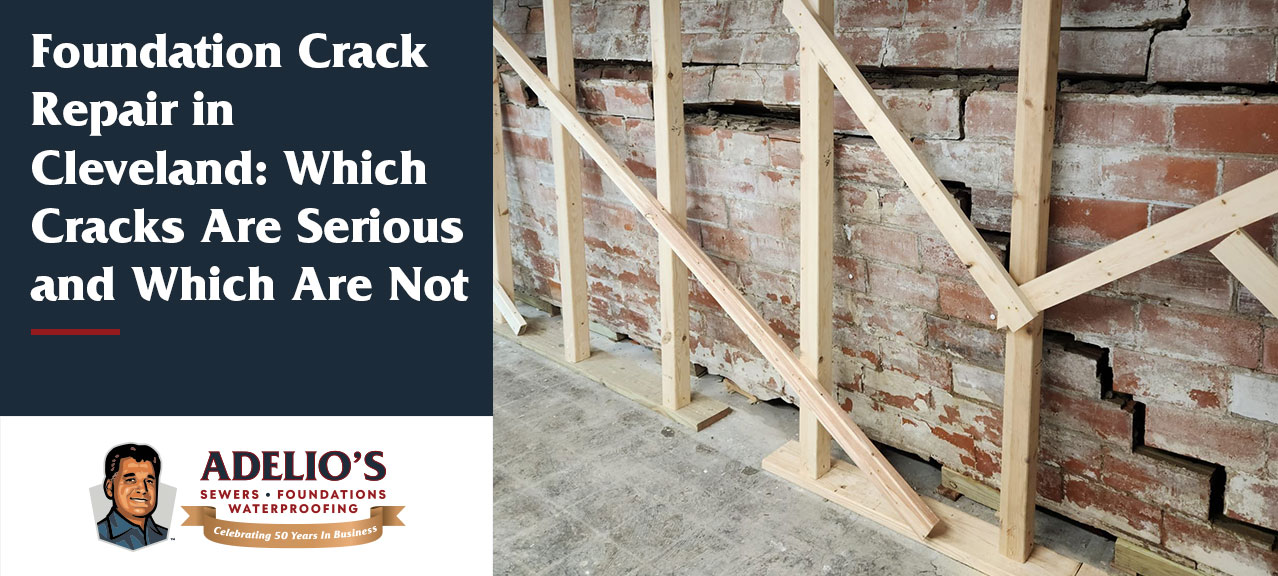
You walk into your basement and notice a crack in the foundation wall. Your heart sinks. Is this the beginning of a catastrophic structural failure? Do you need to call someone immediately, or is this just a normal part of homeownership? The crack looks innocent enough, but you’ve heard horror stories about foundation problems bankrupting homeowners.
Here’s the truth: not all foundation cracks signal disaster. Some cracks are purely cosmetic and require no repair at all. Others indicate serious structural problems demanding immediate professional attention. Understanding foundation crack repair starts with knowing which cracks are dangerous and which aren’t. This knowledge saves you from both unnecessary panic and costly delays in addressing real problems.
Cleveland’s unique climate and soil conditions create specific crack patterns in foundations. Our clay-rich soils, aggressive freeze-thaw cycles, and proximity to Lake Erie mean foundation cracks are incredibly common in Northeast Ohio homes. The question isn’t whether your foundation will develop cracks. The question is which cracks matter and what you should do about them.
Understanding Types of Foundation Cracks: The Critical Distinctions
Different types of foundation cracks tell different stories about what’s happening beneath your home. Learning to read these patterns helps you determine whether you’re looking at a structural emergency or a minor cosmetic issue.
Foundation cracks fall into several distinct categories based on their direction, location, width, and what caused them. Each type carries different implications for your home’s structural integrity.
Vertical Foundation Cracks: Usually the Least Concerning
Vertical cracks run straight up and down along foundation walls. These are the most common type of foundation crack and typically result from concrete shrinkage during the curing process or minor settling that occurred shortly after your home was built.
Most vertical cracks are narrow, measuring less than 1/8 inch in width. They often appear within the first few years after construction as concrete cures and experiences normal shrinkage. Unless they’re actively growing or allowing water infiltration, vertical foundation cracks rarely indicate structural problems.
That said, not all vertical cracks are harmless. A vertical crack that’s wider than 1/4 inch, actively growing, or allowing water entry needs professional evaluation. Width and behavior determine whether a vertical crack is cosmetic or concerning.
Horizontal Foundation Cracks: Immediate Attention Required
Horizontal foundation cracks run side to side across your foundation wall. These are among the most serious types of foundation cracks you can encounter. Horizontal cracks indicate lateral pressure pushing against your foundation wall from outside.
This pressure typically comes from water-saturated soil or frost heave. When clay soil around your foundation absorbs water and expands, it pushes against your walls with tremendous force. Horizontal cracks develop when that pressure exceeds your foundation wall’s capacity to resist it.
Any horizontal crack, regardless of width, warrants professional inspection. These cracks signal that your foundation is being subjected to forces it wasn’t designed to handle. Without intervention, horizontal cracks worsen and can lead to wall bowing or even collapse.
Diagonal Foundation Cracks: Settlement Indicators
Diagonal cracks run at angles across your foundation, typically radiating from corners of windows, doors, or other openings. These cracks indicate differential settlement, where one part of your foundation has settled more than another.
Differential settlement occurs when soil beneath your foundation compresses unevenly. This might happen because soil conditions vary across your property, water has eroded soil in certain areas, or loads on your foundation aren’t evenly distributed.
Diagonal cracks wider than 1/4 inch or those that continue to grow suggest active settlement requiring professional foundation crack repair. Even narrow diagonal cracks merit monitoring to ensure they’re not progressive.
Stair-Step Cracks: Block Foundation Issues
Stair-step cracks follow the mortar joints in concrete block or brick foundations, creating a stepped pattern. These cracks indicate structural movement, often from settlement or lateral pressure.
In block foundations, stair-step cracks develop because mortar joints are weaker than the blocks themselves. When stress affects the foundation, cracks follow the path of least resistance through the mortar. This crack pattern signals structural concerns requiring both repair and stabilization.
Serious vs Harmless Foundation Cracks: Making the Distinction
Understanding serious vs harmless foundation cracks helps homeowners make informed decisions about when to call professionals and when to simply monitor.
Characteristics of Harmless Cosmetic Cracks
Cosmetic foundation cracks typically share these characteristics:
Width: Less than 1/8 inch wide, often hairline cracks barely visible to the naked eye.
Direction: Usually vertical, running straight up and down.
Stability: Not growing or changing over time. A crack that looked the same last year as it does today is likely stable.
Water: Not allowing water infiltration during rain events.
Location: Often appear near corners or at points where concrete was poured at different times during construction.
These cracks resulted from normal concrete curing, minor settling that’s already stabilized, or thermal expansion and contraction. They don’t compromise your foundation’s structural integrity and don’t require repair unless you’re concerned about minor water seepage.
Warning Signs of Serious Structural Foundation Damage
Serious structural foundation damage manifests through specific crack characteristics:
Width: Cracks wider than 1/4 inch indicate significant movement or stress.
Direction: Horizontal or diagonal cracks signal lateral pressure or settlement issues.
Growth: Cracks that are actively widening or lengthening indicate ongoing foundation movement.
Water Entry: Cracks allowing water infiltration during rain demonstrate they penetrate completely through the foundation.
Pattern: Multiple cracks appearing in various locations suggest widespread foundation stress.
Displacement: One side of the crack is offset from the other, showing actual wall movement.
Associated Symptoms: Sticking doors and windows, sloping floors, or gaps between walls and ceilings accompanying the cracks.
When you observe any of these warning signs, professional foundation crack repair becomes necessary to prevent progressive damage.
Cleveland-Specific Crack Patterns
Cleveland’s clay-rich soils create specific crack patterns that homeowners should recognize. Clay soil expands dramatically when saturated and shrinks when dry. This constant expansion and contraction creates cyclical stress on foundations.
Horizontal cracks appearing in the middle third of basement walls often indicate hydrostatic pressure from saturated clay soil pushing against the foundation. This is particularly common after extended wet periods when clay soil remains saturated for weeks.
Freeze-thaw damage creates another Cleveland-specific pattern. Hairline cracks that widen significantly after harsh winters likely resulted from water infiltrating the crack, freezing, and expanding. Each freeze-thaw cycle progressively widens these cracks.
Understanding these regional patterns helps Cleveland homeowners recognize which cracks stem from our unique environmental conditions versus which indicate more serious structural issues.
What Causes Foundation Cracks in Cleveland Homes?
Identifying the cause of foundation cracks is critical for determining appropriate foundation crack repair methods. Treating the symptom without addressing the cause leads to recurring problems.
Clay Soil Expansion and Contraction
Cleveland sits on clay-rich soils that present unique challenges for foundation stability. Clay soils absorb water like a sponge and expand significantly when saturated. During dry periods, clay shrinks and contracts. This constant expansion and contraction creates cyclical stress on foundation walls.
When clay soil around your foundation expands during wet periods, it exerts lateral pressure against basement walls. This pressure can create horizontal cracks or widen existing vertical cracks. When the soil dries and contracts, it can pull away from your foundation, creating voids that allow future water accumulation and increased pressure.
Managing moisture around your foundation is critical in Cleveland. Proper drainage, waterproofing, and grading help minimize the expansion-contraction cycle that stresses foundations.
Freeze-Thaw Cycles and the 36-Inch Frost Line
Cleveland experiences numerous freeze-thaw cycles each winter. Water infiltrates small cracks during warmer periods or rainfall. When temperatures drop below freezing, that water freezes and expands. Ice occupies about 9% more volume than liquid water, creating tremendous pressure inside cracks.
This expansion forces cracks wider with each freeze-thaw event. A hairline crack that’s harmless in summer can become a significant structural concern after winters of freeze-thaw damage. Cleveland operates under a 36-inch frost line requirement, meaning foundations must extend below this depth to minimize frost heave effects.
Foundations that don’t extend below the frost line are particularly vulnerable to frost heave, where freezing soil beneath the foundation actually lifts portions of the structure, creating settlement cracks as different areas move at different rates.
Settlement and Soil Compaction
All foundations experience some settling as the soil beneath them compresses under the structure’s weight. When this settling is uniform, it typically doesn’t create significant problems. Differential settlement, where one area settles more than another, creates the stress that leads to cracking.
Differential settlement in Cleveland often results from:
- Variable soil conditions across the building site
- Inadequate soil compaction before construction
- Water erosion removing soil from beneath footings
- Tree roots disturbing soil or absorbing moisture unevenly
- Poor drainage allowing water to erode soil in specific areas
Older Cleveland homes, particularly those built before modern soil compaction standards, are more susceptible to settlement-related cracking.
Hydrostatic Pressure and Water Intrusion
Water is foundation’s worst enemy. When soil around your foundation becomes saturated, it creates hydrostatic pressure that pushes against basement walls with thousands of pounds of force. This pressure can force water through porous concrete or crack foundations that can’t withstand the lateral load.
Cleveland’s proximity to Lake Erie contributes to elevated groundwater levels and soil moisture. Combined with our significant annual precipitation, many Cleveland properties experience persistent hydrostatic pressure that stresses foundations and creates cracks.
Poor drainage from clogged gutters, inadequate downspout extensions, or improper grading compounds these problems by concentrating water near foundations rather than directing it away.
Foundation Crack Repair Methods: What Actually Works
Modern foundation crack repair methods address both the crack itself and the underlying cause. Understanding your options helps you make informed decisions about protecting your foundation.
Foundation Crack Sealing and Injection
For cracks that have stabilized and aren’t actively growing, injection methods provide effective sealing to prevent water infiltration and restore some structural integrity.
Epoxy Injection: Creates a rigid bond that structurally mends cracks. Epoxy is ideal for dry cracks that aren’t actively leaking. The two-part epoxy resin is injected into the crack under pressure, filling it completely from the outside face through to the interior. Once cured, epoxy is actually stronger than the surrounding concrete.
Epoxy injection works best for vertical or diagonal cracks up to about 1/2 inch wide. The process restores structural continuity to cracked concrete and prevents water infiltration. Cost typically ranges from $500 to $1,500 for residential applications.
Polyurethane Injection: Expands to fill voids and remains flexible, making it ideal for actively leaking cracks. When injected into a wet crack, polyurethane foam reacts with water and expands up to 20 times its original volume. This expansion fills the crack completely and creates a watertight seal.
The flexibility of polyurethane is particularly valuable in Cleveland’s freeze-thaw environment. As foundations experience minor movements from seasonal temperature changes, flexible polyurethane accommodates this movement without re-cracking. Cost ranges from $500 to $2,000 depending on crack size and location.
Structural Reinforcement for Growing Cracks
When cracks indicate ongoing foundation movement rather than past settling, structural reinforcement prevents further damage while addressing the crack itself.
Carbon Fiber Reinforcement: For foundations showing horizontal cracks or minor bowing, carbon fiber straps bonded to the wall surface prevent further inward movement. These high-strength straps are ten times stronger than steel by weight and can be installed entirely from inside without excavation.
Carbon fiber doesn’t correct existing displacement but stabilizes walls to prevent further movement. This approach works for walls with less than 2 inches of inward deflection and costs typically $3,000 to $8,000 for residential applications.
Wall Anchors and Steel Bracing: For severe horizontal cracking accompanied by significant wall bowing, wall anchor systems provide correction capability. These systems connect interior wall plates to earth anchors placed in stable soil outside your foundation. The mechanical connection can be tightened over time to gradually straighten bowed walls.
Wall anchors address both the structural movement causing cracks and prevent further damage. Installation costs range from $5,000 to $10,000 for typical residential basements.
Exterior Waterproofing to Address Root Causes
Sometimes the most effective foundation crack repair involves addressing the water pressure that caused the cracking in the first place. Exterior waterproofing systems manage water before it creates hydrostatic pressure against your foundation.
This comprehensive approach involves excavating around your foundation, repairing cracks, applying waterproof membranes to foundation walls, installing drainage boards, and upgrading footer drainage systems. While expensive at $8,000 to $20,000+, exterior waterproofing addresses the root cause of many crack problems and provides maximum protection.
For Cleveland homes dealing with persistent hydrostatic pressure from clay soil and high water tables, this investment prevents recurring crack problems that would require repeated repairs.
Foundation Crack Repair Cost: Cleveland Market Pricing
Understanding foundation crack repair cost helps homeowners budget appropriately for necessary work and evaluate contractor quotes.
Cost Breakdown by Repair Method
Minor Crack Sealing: Surface sealing of small, stable cracks with hydraulic cement or flexible sealants costs $200 to $500. This DIY-friendly approach works for minor cosmetic cracks that aren’t structural concerns.
Epoxy Injection: Professional epoxy injection for structural crack repair ranges from $500 to $1,500 for typical residential applications. Cost depends on crack length, accessibility, and number of injection ports required.
Polyurethane Injection: Sealing actively leaking cracks with polyurethane foam costs $500 to $2,000. Wet cracks often require more material and multiple injection points to achieve complete sealing.
Carbon Fiber Reinforcement: Stabilizing foundation walls with carbon fiber straps costs $3,000 to $8,000 for typical basements. Price varies with wall height, number of straps needed, and extent of damage.
Wall Anchors: Installing wall anchor systems ranges from $5,000 to $10,000 for standard residential applications. Extensive repairs involving multiple walls can exceed $15,000.
Complete Foundation Repair: Severe structural foundation damage requiring underpinning or wall replacement can cost $10,000 to $30,000 or more depending on extent of work.
Factors Affecting Your Repair Cost
Several variables influence the final foundation crack repair cost in Cleveland:
Crack Type and Severity: Horizontal cracks indicating structural movement cost more to repair than simple vertical shrinkage cracks. Severity determines whether you need basic injection or structural reinforcement.
Accessibility: Cracks in difficult-to-reach locations or behind finished walls increase labor costs. Exterior excavation adds significantly to expenses compared to interior-only repairs.
Number of Cracks: Multiple cracks throughout your foundation multiply repair costs. Some foundations have a single problematic crack while others show cracking in multiple locations.
Underlying Causes: Repairs that address only the visible crack without managing water pressure or stabilizing settlement often fail. Comprehensive solutions addressing root causes cost more initially but provide lasting results.
Foundation Type: Poured concrete foundations and concrete block foundations require different repair approaches. Block foundations with stair-step cracks may need extensive repointing in addition to crack injection.
The Cost of Delaying Repairs
Minor cracks that could be repaired for a few hundred dollars evolve into major structural issues requiring tens of thousands in repairs when ignored. Water infiltration through cracks leads to:
- Progressive crack widening from freeze-thaw cycles
- Mold growth requiring expensive remediation ($1,500 to $10,000+)
- Structural wood damage to rim joists and floor systems
- Wall bowing necessitating stabilization systems
- Reduced property value and buyer concerns
Early intervention when cracks first appear provides the most cost-effective approach to foundation crack repair.
When to Call Professionals for Foundation Crack Repair Cleveland
Some foundation crack repair Cleveland homeowners can handle themselves, but many situations require professional expertise and equipment.
DIY-Appropriate Crack Repairs
Homeowners can safely address:
Hairline Vertical Cracks: Narrow vertical cracks less than 1/8 inch wide that aren’t growing or leaking can be sealed with hydraulic cement or flexible crack sealants available at hardware stores. These products cost $10 to $30 and provide adequate sealing for minor cosmetic cracks.
Basement Floor Cracks: Small cracks in basement floor slabs that aren’t indicating settlement can be filled with concrete crack filler. While these cracks should be monitored, they often don’t require professional intervention unless they’re actively widening.
Preventive Maintenance: Homeowners should maintain gutters, extend downspouts away from foundations, ensure proper yard grading, and address drainage issues. These preventive measures reduce water pressure that causes foundation cracking.
When Professional Help Is Necessary
Call foundation crack repair Cleveland professionals for:
Any Horizontal Crack: Horizontal cracks at any width indicate lateral pressure and potential structural failure. These always require professional assessment and repair.
Cracks Wider Than 1/4 Inch: Width indicates significant movement. Wide cracks need professional evaluation to determine cause and appropriate repair method.
Actively Growing Cracks: Cracks that are widening or lengthening indicate ongoing foundation movement. Professional intervention is necessary to stabilize the foundation and prevent progressive damage.
Water Intrusion: Cracks allowing water entry during rain need professional sealing to prevent moisture damage, mold growth, and progressive crack widening from freeze-thaw cycles.
Multiple Crack Patterns: When you see several types of cracks or cracking in multiple locations, this suggests systemic foundation stress requiring expert diagnosis.
Displacement or Offset: Cracks where one side has moved relative to the other indicate significant structural shifting demanding immediate attention.
Associated Structural Symptoms: When cracks appear alongside sticking doors, sloping floors, or visible wall bowing, professional foundation repair is essential.
Choosing Qualified Foundation Repair Contractors
Look for Cleveland-area contractors with:
- Proper Ohio licensing and comprehensive insurance coverage
- Substantial local experience with Cleveland’s soil and climate conditions
- References from recent foundation repair projects similar to yours
- Clear written estimates detailing scope of work and materials
- Warranties covering both materials and labor (typically 10 years to lifetime)
- Membership in professional organizations like the Foundation Repair Association
At Adelios, we’ve helped Cleveland homeowners solve foundation crack problems for years. We provide honest assessments that distinguish between cosmetic cracks requiring minimal intervention and serious structural issues demanding comprehensive repair.
Cleveland Building Code Requirements for Foundation Repairs
Foundation crack repair Cleveland must comply with Ohio Building Code requirements that establish minimum standards for structural integrity and safety.
Ohio Building Code Foundation Standards
The 2024 Ohio Building Code Chapter 19 outlines critical standards for concrete construction in foundation work. Concrete used in foundation repairs must meet minimum compressive strength requirements to ensure structural adequacy.
For residential foundations, concrete must achieve compressive strength of at least 2,500 psi. This strength ensures repaired foundations can withstand loads from the structure above and lateral pressures from soil and water.
Chapter 4 of the Ohio Residential Code provides detailed requirements for foundation construction and repair. These standards ensure work meets safety requirements and provides long-term stability.
Permit Requirements
While minor cosmetic crack sealing typically doesn’t require permits, significant structural foundation crack repair may trigger permit requirements. Check with Cleveland’s Department of Building and Housing to determine whether your specific repair requires permits.
Working with licensed contractors ensures compliance with all applicable codes and regulations. Professional contractors handle permit applications, coordinate required inspections, and ensure repairs meet legal standards. This protects you and facilitates future property sales by providing documentation of properly completed work.
Preventing Future Foundation Cracks in Cleveland Homes
While you can’t eliminate all foundation cracking, proper maintenance and water management significantly reduce crack formation and progression.
Water Management Is Critical
The single most important preventive measure is managing water around your foundation:
Gutters and Downspouts: Clean gutters regularly and ensure downspouts discharge at least 10 feet from your foundation. A typical roof sheds over 900 gallons during one inch of rain. Without proper drainage, all that water concentrates near your foundation.
Grading: Maintain proper slope away from your foundation at a rate of at least 6 inches over the first 10 feet. This ensures surface water flows away rather than pooling near basement walls.
Drainage Systems: For properties with persistent water issues, French drains or interior drainage systems with sump pumps manage water before it creates hydrostatic pressure.
Seasonal Maintenance
Cleveland’s climate demands seasonal attention to foundation protection:
Spring: Inspect foundation for new cracks after winter freeze-thaw cycles. Check that grading hasn’t eroded and gutters are clear for heavy spring rains.
Summer: Monitor basement humidity and ensure drainage systems handle summer thunderstorms effectively.
Fall: Final gutter cleaning before winter and inspection of drainage systems before ground freezes.
Winter: Ensure snow doesn’t pile against foundation walls. When snow melts, it should drain away from your home, not pool near basement walls.
Monitoring Existing Cracks
For stable cracks that don’t require immediate repair, regular monitoring helps you catch problems if they begin progressing:
Install simple crack monitors ($10-20 at hardware stores) across cracks you’re watching. These clear plastic gauges show whether cracks are widening over time.
Photograph cracks with a ruler in the frame to document current width. Compare photos taken quarterly to identify growth.
Mark crack ends with pencil or tape to track whether cracks are lengthening.
This monitoring helps you distinguish between stable cracks from past settling and active cracks indicating ongoing foundation movement.
Frequently Asked Questions About Foundation Crack Repair
How do I know if a foundation crack is serious?
Serious foundation cracks share specific characteristics: horizontal or diagonal direction, width exceeding 1/4 inch, actively growing over time, allowing water infiltration, or showing displacement where one side is offset from the other. Any crack accompanied by sticking doors, sloping floors, or wall bowing indicates serious structural issues. When in doubt, professional inspection provides definitive assessment. The cost of inspection ($200-500) is minimal compared to the cost of repairing damage from a crack you should have addressed.
What’s the difference between vertical and horizontal foundation cracks?
Vertical cracks run up and down and typically result from concrete shrinkage or minor settling. Most vertical cracks are cosmetic unless they’re wider than 1/4 inch or actively growing. Horizontal foundation cracks run side to side and indicate lateral pressure from water-saturated soil or frost heave. Horizontal cracks are always serious regardless of width because they signal forces pushing against your foundation that it wasn’t designed to withstand.
Can I repair foundation cracks myself?
Minor cosmetic cracks less than 1/8 inch wide can be sealed with hydraulic cement or flexible crack sealants available at hardware stores. However, structural cracks wider than 1/4 inch, horizontal cracks, actively growing cracks, or cracks allowing water infiltration require professional foundation crack repair. Improper repairs can actually worsen problems by trapping moisture or failing to address underlying structural movement.
How much does foundation crack repair cost in Cleveland?
Foundation crack repair cost ranges from $200-500 for minor DIY-friendly surface sealing to $500-2,000 for professional crack injection. Structural repairs requiring reinforcement cost $3,000-10,000 depending on method and extent of damage. Severe structural foundation damage requiring underpinning or wall replacement can exceed $20,000. The specific cost depends on crack type, severity, accessibility, number of cracks, and whether underlying causes need addressing.
Will my homeowners insurance cover foundation crack repair?
Standard homeowners insurance typically doesn’t cover foundation cracks resulting from settling, soil movement, or normal wear and tear. However, if cracks result from a covered peril like a burst pipe creating sudden soil erosion or a documented sudden ground collapse, you may have coverage. Review your policy and discuss your specific situation with your insurance agent. Some policies offer optional foundation coverage for an additional premium.
How long do foundation crack repairs last?
Properly executed foundation crack repair provides permanent solutions when underlying causes are addressed. Epoxy and polyurethane injection repairs last indefinitely if foundations remain stable. Carbon fiber reinforcement and wall anchor systems come with warranties typically ranging from 25 years to lifetime. The key is managing water around your foundation to prevent recurring problems. Repairs that address only the visible crack without managing drainage or stabilizing movement often fail within years.
Should I repair foundation cracks before selling my home?
Yes. Foundation cracks are major red flags during home inspections. Buyers either walk away or demand significant price reductions to cover repair costs plus a risk premium. Repairing cracks before listing typically provides better financial returns. Professional repairs with transferable warranties actually become selling points. You’ll likely recoup most repair costs through higher sale price and faster sale. Undisclosed foundation problems can lead to legal issues after closing.
When should I monitor cracks versus repair them immediately?
Monitor hairline vertical cracks less than 1/8 inch wide that aren’t growing or leaking. Install crack monitors to track whether these stable cracks begin progressing. Repair immediately any horizontal crack, diagonal cracks wider than 1/4 inch, cracks that are actively growing, cracks allowing water entry, or cracks accompanied by sticking doors or other structural symptoms. Professional assessment helps determine whether monitoring or immediate repair is appropriate for your specific situation.
Protect Your Cleveland Foundation from Crack Damage
Not all foundation cracks signal disaster, but understanding which cracks are serious versus harmless helps you make informed decisions about protecting your home. Vertical cracks less than 1/8 inch wide typically represent cosmetic issues requiring minimal intervention. Horizontal foundation cracks, diagonal cracks wider than 1/4 inch, and actively growing cracks indicate serious structural foundation damage demanding professional foundation crack repair.
Cleveland’s clay-rich soils, aggressive freeze-thaw cycles, and high moisture levels create specific crack patterns that homeowners should recognize. Hydrostatic pressure from saturated clay soil commonly causes horizontal cracking in the middle third of basement walls. Freeze-thaw damage progressively widens hairline cracks with each winter cycle. Understanding these regional factors helps you identify cracks stemming from Cleveland’s unique environmental conditions.
Modern foundation crack repair methods provide effective solutions ranging from epoxy injection for stable cracks to structural reinforcement for walls showing movement. Foundation crack repair cost varies from hundreds for minor sealing to tens of thousands for severe structural damage. Early intervention when cracks first appear provides the most cost-effective approach and prevents minor issues from becoming major structural failures.
Don’t let uncertainty about foundation cracks prevent you from taking appropriate action. Professional assessment distinguishes between cosmetic cracks you can safely monitor and serious cracks requiring immediate repair. This small investment in expert evaluation protects your home’s structural integrity and your peace of mind.
At Adelios, we understand Cleveland’s unique foundation challenges. We’ve helped local homeowners solve crack problems with honest assessments and proven repair methods. We don’t believe in fear tactics or unnecessary repairs. We provide straightforward answers about what’s happening to your foundation and what solutions make sense for your situation.
Our team knows Cleveland’s clay soils, understands the impact of our freeze-thaw cycles, and follows all Ohio Building Code requirements for foundation work. We offer comprehensive foundation crack repair Cleveland solutions from injection sealing to structural reinforcement, recommending approaches that fit your specific conditions and budget.
Ready to address your foundation cracks? Contact our team today for a free, no-obligation assessment. We’ll examine your foundation, explain which cracks need immediate attention and which can be monitored, and provide honest recommendations with clear pricing. No pressure. No gimmicks. Just straightforward guidance from professionals who care about protecting Cleveland homes.