Welcome to Adelio’s Contracting

Solving Real Problems with Lasting Solutions

Basement & Foundation Problems? We’ve Got Answers.

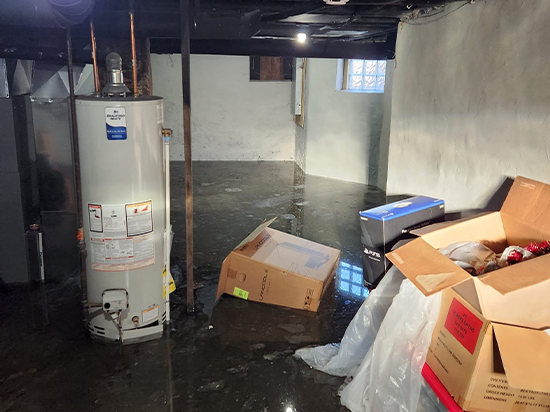
Basement flooding, wet walls, cracking, shifting, or bowing foundation walls—these aren’t just annoying, they can be signs of serious underlying issues. At Adelio’s, we don’t just cover them up, we find out what’s really going on, explain your options, and fix it right.

Whether it’s poor drainage, foundation pressure, or something you can’t see yet, we can help you fix your property issues.

Table of Contents

Why is my wall shifting or bowing in?

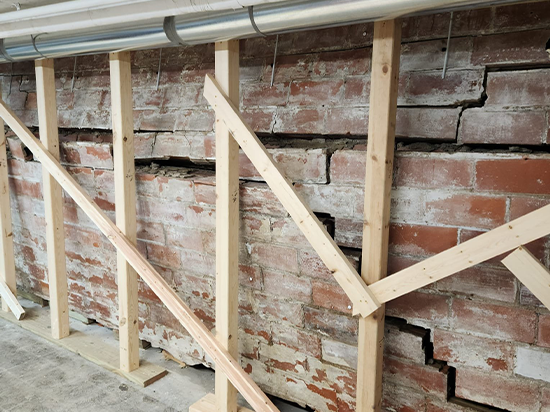
Bowing basement walls are a serious structural issue caused by excessive soil pressure, hydrostatic pressure from water-saturated soil, expansive clay soils, poor drainage, and frost heave from freeze-thaw cycles — all of which push against foundation walls and worsen over time.

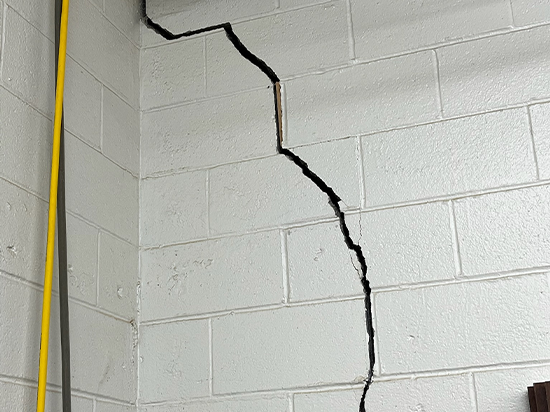
Why is my basement foundation wall cracking?

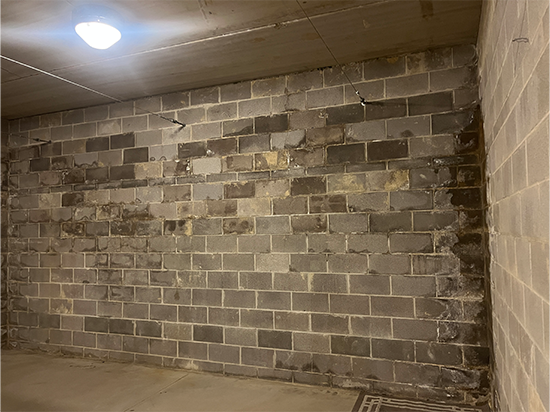
Noticing cracks in your basement walls? You’re not alone. Basement wall cracks develop for several reasons, including natural settling, water pressure, poor soil compaction, and seasonal freeze-thaw cycles.

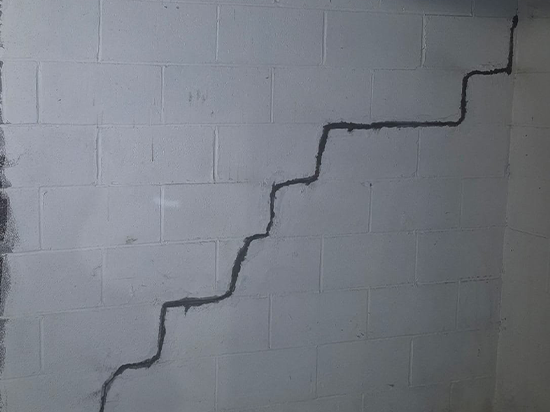
What causes my basement foundation wall to step crack?

Seeing a stair-step crack along the mortar joints of your basement wall? That pattern usually points to foundation movement driven by shifting or settling soil, hydrostatic (water) pressure, or seasonal freeze-thaw cycles around your home’s foundation.

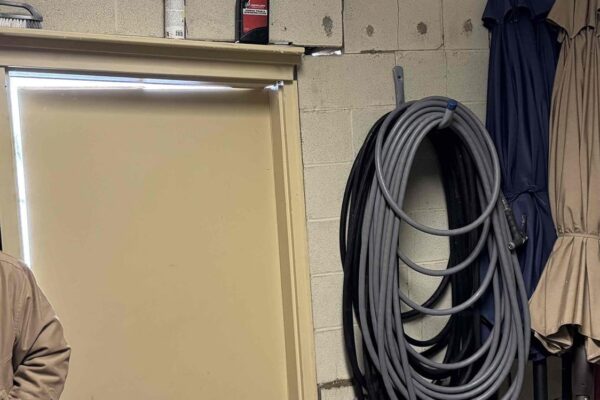
What causes my doors and windows to be hard to close?

Are you struggling with doors that stick or windows that won’t latch? These frustrating issues often signal underlying foundation problems that shouldn’t be ignored.

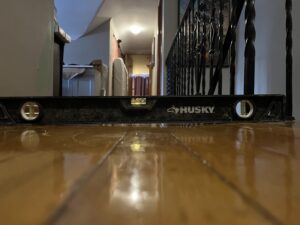
How do I repair saggy or bouncing floors?

Walking across your home’s floor shouldn’t feel like crossing a trampoline. If you’ve noticed uneven surfaces, a distinct bounce when you walk, or floors that slope toward the center of your home, you’re likely dealing with sagging or bouncing floors.

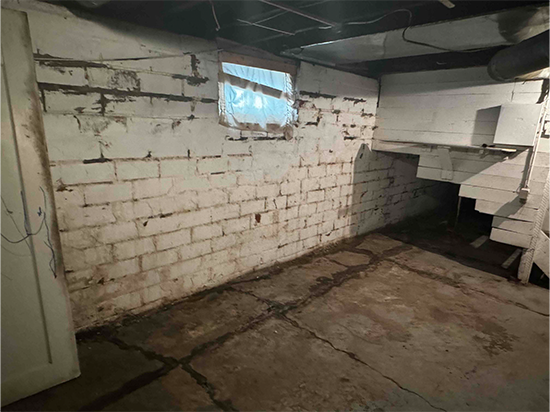
My terracotta or cinder block walls are crumbling.

Terracotta and cinder block walls commonly crumble due to moisture intrusion from freeze-thaw cycles, poor drainage creating hydrostatic pressure, structural settlement, general weathering, and chemical damage from de-icing products — all particularly common issues for Cleveland homeowners.

My house is over 100 years old, are there still good repair options?

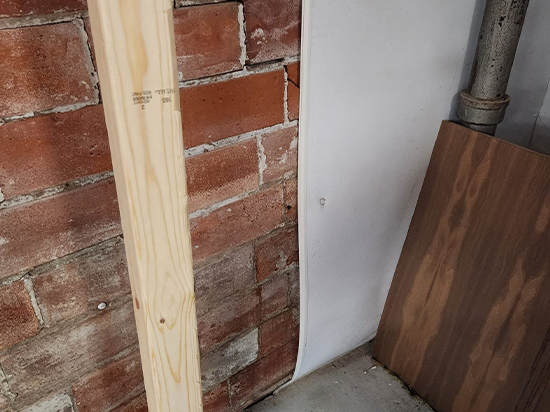
Yes, your century-old home absolutely has excellent repair options! At Adelio’s, we understand that older homes face unique challenges – from foundation cracks and bowing walls to settlement issues and water damage.

There is a hole in my basment wall and I can see daylight or a stream of water.

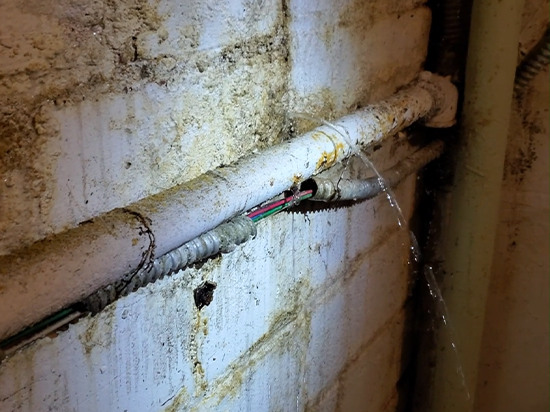
If you can see daylight or a steady trickle of water coming through your basement wall, it usually means there is a direct path for outside water and soil to reach your foundation, often due to deteriorated mortar, failed patches, or previous construction penetrations that were never properly sealed.

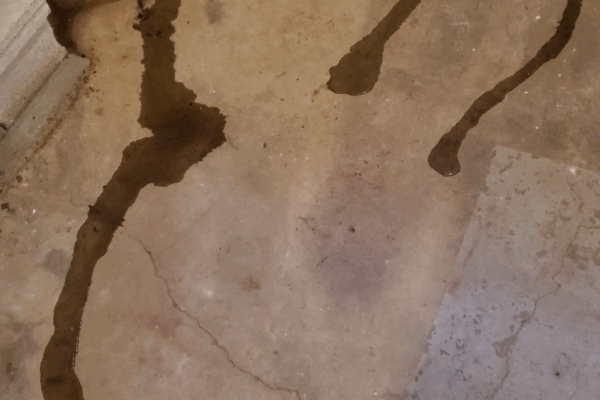
Why is my basement floor wet?

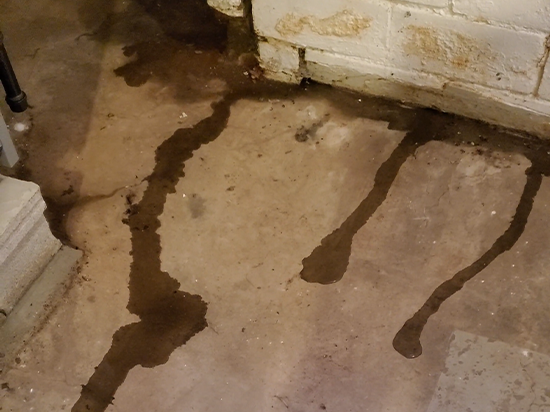
Noticing damp spots or puddles on your basement floor can be a sign of several different issues, including groundwater seeping up through the slab, moisture sneaking in at the wall-floor joint, plumbing leaks, or even simple condensation from humid indoor air hitting a cool concrete surface.

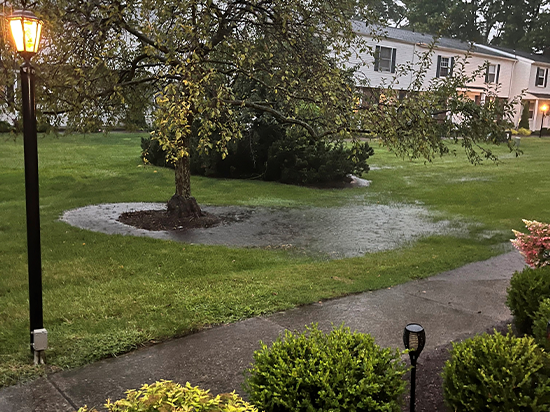
Why does my backyard stay wet and not drain?

Is your backyard turning into a mini-pond or swamp after every rainfall? A wet, soggy yard isn’t just an eyesore—it’s a warning sign of underlying drainage issues that could threaten your home’s foundation and landscape. This pooling water can not only kill your grass or landscaping, but it can also be a breeding ground for mosquitos. At Adelio’s, we understand the frustration of dealing with standing water that never seems to dry up. Since 1976, we’ve been helping Cleveland homeowners identify why their backyards stay wet and implement effective, long-lasting drainage solutions that protect their property.

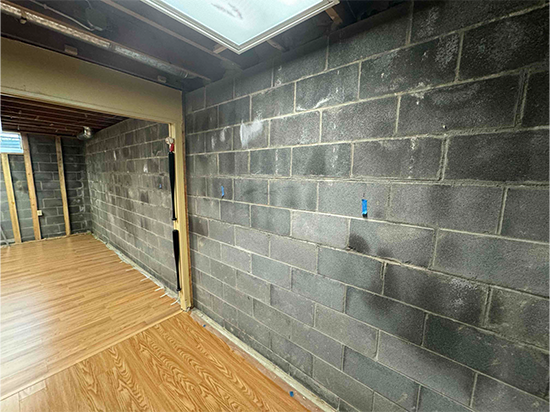
Why do my basement walls have white powder or residue on them?

That white, chalky substance on your basement walls isn’t just an eyesore — it’s efflorescence, a sign that water is making its way through your foundation. When moisture seeps through porous concrete, masonry or brick walls, it dissolves natural salts within the material. As this moisture evaporates, it leaves behind these crystalline salt deposits on your wall surface. While efflorescence itself isn’t harmful, it’s like your basement sending up a flare, warning you about underlying moisture issues that could lead to serious structural problems if left unaddressed.

Why is the paint on my basement walls turning yellow or flaking off?

Noticing yellow stains or flaking paint on your basement walls? You’re not alone. These common issues often signal underlying moisture problems that can affect your home’s foundation and indoor air quality. When paint begins to discolor or peel away, it’s your basement telling you something isn’t right. At Adelio’s, we’ve been solving these exact problems for Cleveland homeowners since 1976, and we know that addressing the root cause – not just covering symptoms – is the key to a dry, healthy basement.

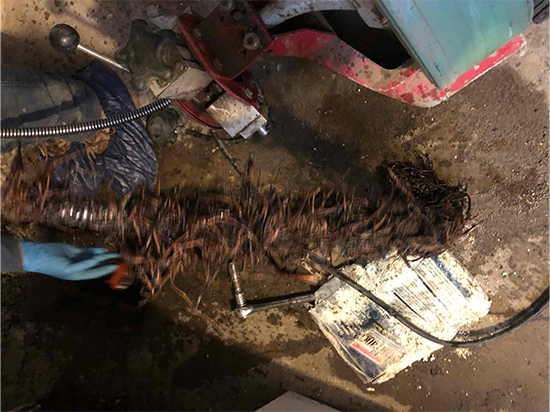
Why do my drains gurgle?​

Noticing that unsettling gurgle sound from your sink or shower drain? That distinctive sound isn’t just annoying—it’s your plumbing system trying to tell you something important. When water struggles to flow properly through your pipes, air gets trapped and creates those bubbling, gurgling noises that can disrupt your peace of mind. At Adelio’s, we understand that gurgling drains often signal underlying issues that, if left unaddressed, could lead to more serious backup down the road. The good news? Most gurgling drain issues can be resolved with the right approach.

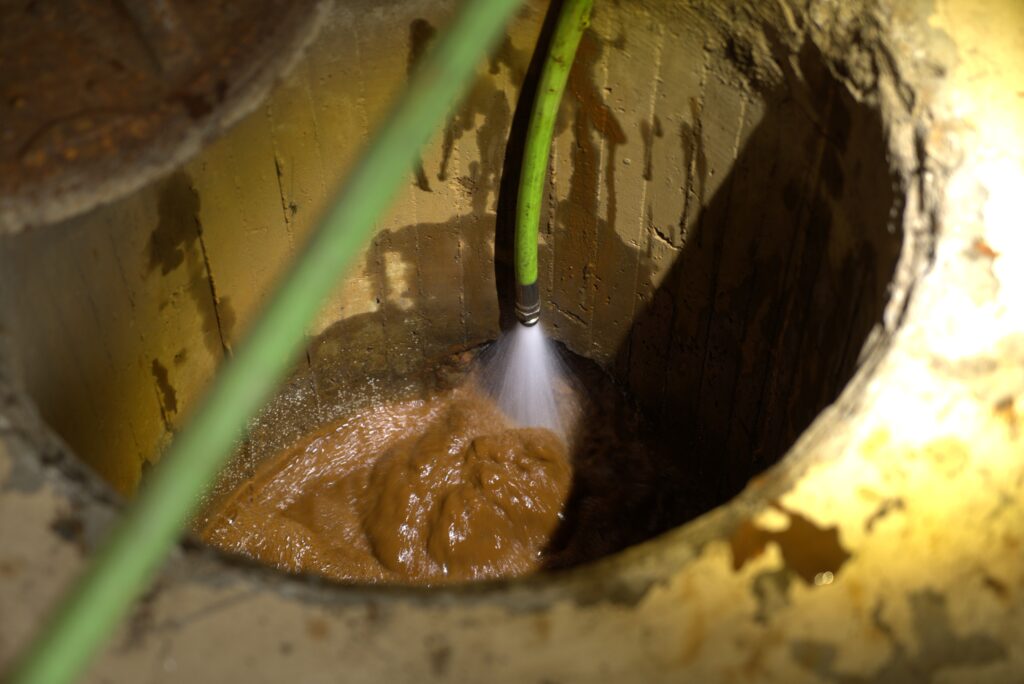
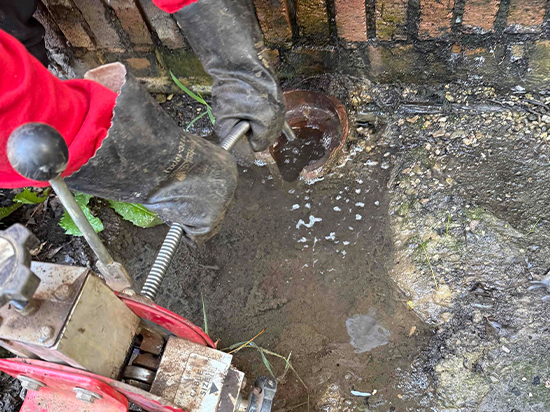
How often should I have my exterior drains, downspouts, sewers, etc. cleaned?

Proper maintenance of your home’s drainage system isn’t just about preventing clogs — it’s about protecting your foundation and avoiding costly water damage. At Adelio’s, we’ve found that most homeowners don’t realize their exterior drainage systems need regular attention until they’re facing a wet basement or sewage backup. The truth is that not all drainage issues require expensive repairs. Sometimes, the solution is as simple as following a regular cleaning schedule. For most homes in Northeast Ohio we recommend cleaning exterior drains and downspouts, and main sewer lines should be inspected and cleaned annually to prevent major blockages and extend the life of your system.

Why is water coming up through my basement floor with rain?

Seeing water in your basement after a storm is usually a sign that rainwater is finding a path through foundation cracks, saturated soil, clogged drains, or overworked (or failing) exterior drainage systems. Sometimes the fix is as simple as improving gutters, downspouts, or grading, but recurring leaks can also point to bigger issues like hydrostatic pressure, blocked storm laterals, or the “clay bowl effect” around your foundation. At Adelio’s, our waterproofing team has been serving the Cleveland area for over 50 years, and our Project Advisors focus on identifying the true source of the problem first so we can recommend targeted, long-term solutions—from drain cleaning and sump systems to exterior waterproofing—without the high-pressure sales tactics.

Why is water pooling near my gutter leader or downspout?

Noticing water pooling near your gutter downspout? This isn’t just a minor annoyance — it’s a warning sign that could lead to serious foundation problems if left unaddressed. When your gutter system can’t properly channel water away from your home, that pooling water can seep into your foundation, causing cracks, basement leaks, and even structural damage over time. The most common culprits include clogged gutters filled with leaves and debris, improperly sloped drainage pipes (which should have at least 1/8th inch slope per foot), or clogged or broken downspouts. Even in Cleveland’s clay soil, water should never collect around your home’s perimeter.

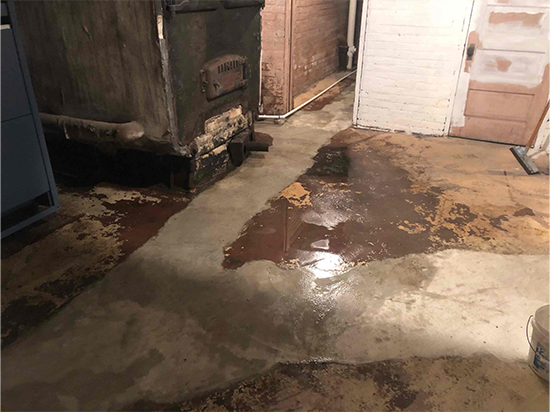
How do I stop my basement from flooding?

Noticing musty smells, water stains, or puddles in your basement? You’re not alone. A basement that hasn’t been properly waterproofed can experience flooding, leaking walls, and cracked floors – leading to costly damage and potential health hazards from mold growth. At Adelio’s, we understand why basements take on water and offer proven solutions to keep your space dry. Once we identify the root cause of your wet basement, our waterproofing contractors will provide a customized system that ensures long-term protection for your Cleveland home.

How do I protect my property from flooding when the city sewer gets backed up?

When city sewers back up during heavy rains or system failures, your basement can quickly transform from a dry, usable space into a flooded mess filled with contaminated water. At Adelio’s, we understand the stress and damage that sewer backups cause. Our waterproofing and sewer experts in Northeast Ohio have been helping homeowners keep their basements dry since 1976, even when municipal systems fail. We don’t just offer temporary fixes—we provide real, long-term solutions that address the root cause of your water problems.

Basement smells musty or has a mildew odor

A musty or mildew smell in your basement is usually a warning sign that excess moisture, poor ventilation, or small leaks are creating the perfect environment for mold and mildew to grow—not just an annoying odor. Moisture from foundation cracks, leaky pipes, condensation, or drainage issues can affect both your home’s structure and your family’s health if left untreated. At Adelio’s, our Project Advisors focus on finding the true source of that musty smell and then recommending long-term solutions like waterproofing, drainage improvements, and proper dehumidification—so you’re not just masking the odor, you’re fixing the problem for good.

What happens if I don't fix my basement walls (or put off the repairs)?

Noticing cracks or moisture in your basement walls but thinking about putting off repairs? You’re not alone. Many homeowners delay addressing basement wall issues, hoping the problem isn’t serious or will somehow improve on its own. The truth is, postponing these repairs can lead to significantly more expensive and extensive damage. Our research shows that delaying basement repairs increases costs by approximately 35% on average—that’s an additional $6,071 coming out of your pocket. What starts as a minor crack or small water seepage can quickly develop into major structural problems that threaten your home’s foundation and your family’s safety.

Ready to get started?

Tell us about your project and let’s see how we can help!

Scroll to Top