
What You Need to Know
Selling your home in Ohio? Planning a property transfer? You might need to pass a sewer dye test first. Under the Clean Water Act, Ohio municipalities require these tests to protect our waterways and prevent sewage system backups that affect entire communities.
A sewer dye test is required for some property transfers in Ohio, but many homeowners don’t understand what’s involved until they’re facing a potential delay in their sale. The good news? Not all inspections lead to expensive repairs. Sometimes the solution is as simple as cleaning drains or fixing a minor connection.
At Adelio’s, we’ve been helping Cleveland-area property owners navigate these requirements since 1976. We don’t believe in high-pressure sales pitches — just honest answers to help you understand your options and move forward with confidence.
What is a Sewer Dye Test?
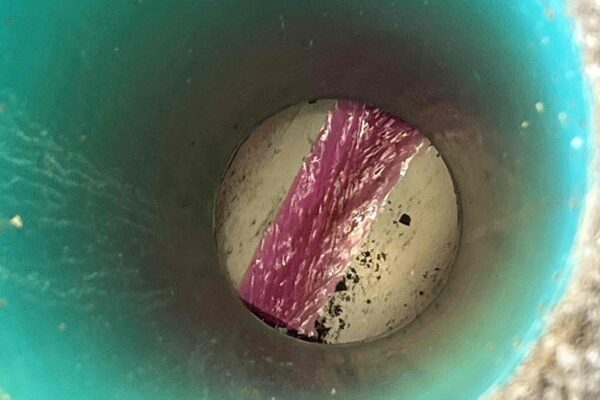
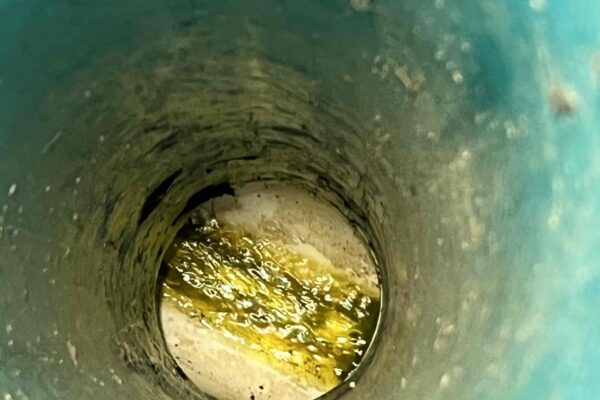
A sewer dye test determines whether water is crossing between your storm system and sanitary sewer line. This separation is crucial for preventing sewage from contaminating our waterways while keeping stormwater out of our sanitary sewer systems.
Understanding what happens during a sewer dye test can help you prepare for the process. The test uses non-toxic, water-soluble dye to trace water flow through your property’s drainage systems. When everything works correctly, the dye stays within the system where it was introduced.
The test serves two important purposes. First, it prevents sewage from reaching streams, rivers, and Lake Erie. Second, it stops stormwater from overwhelming our sanitary sewer systems during heavy rain. Stormwater flowing into sanitary sewers is a major contributor to sewage backups and overflows throughout Ohio communities.
Your property passes if the dye remains only in the system where it was introduced. If dye appears in the other system, there’s a cross-connection that needs repair before you can complete your property transfer.
Understanding the Plumbing Dye Test Process
The plumbing dye test reveals hidden connections between systems that might not be visible during a standard inspection. Here’s how the sewer dye test procedure works:
Step 1: Preparation
Our technicians begin by identifying all downspouts, drains, and sewer connections on your property. We’ll also locate the test tees and storm drains near your home.
Step 2: Dye Introduction
We add colored dye to your downspouts or specific drains while flushing water through the system. Different colored dyes help us track multiple systems simultaneously.
Step 3: Monitoring
While water flows through your home’s systems, we monitor sewer lines and storm drains to see if any dye appears where it shouldn’t. This process typically takes 30-60 minutes.
Step 4: Results
If dye stays within its intended system, you pass. If we detect dye in the wrong system, we’ll identify the source of the cross-connection and explain your repair options.
The professional plumbing dye test services ensure accurate results because we know exactly where to look and how to interpret what we find. We use specialized equipment to detect even small amounts of dye that might indicate minor leaks or connections.
Common Reasons for Failed Tests
Most test failures stem from connections that were legal when originally installed but no longer meet current standards. Here are the most common issues we encounter:
Downspout Connections to Sanitary Sewers
The leading cause of failed tests occurs when downspouts connect directly to your home’s sanitary sewer system. Older homes often have these connections because they were acceptable decades ago.
Cracked or Damaged Pipes
Underground pipes can crack due to settling, tree roots, or age. These cracks allow water to flow between storm and sanitary systems, especially during heavy rain.
Improper Drain Connections
Sometimes basement floor drains, sump pumps, or other drainage systems were connected to the wrong line. These connections might work fine for years before causing a test failure.
Root Intrusion
Tree roots seeking water can grow into pipe joints and create openings between systems. This is particularly common with older clay pipes.
Foundation Settlement
As homes settle over time, pipe connections can shift and create gaps that allow cross-contamination between systems.
If you fail your sewer dye test, prompt repairs are essential to complete your property transfer and avoid potential fines from local authorities.
City Sewer Connection Requirements in Ohio
Your city sewer connection must meet current municipal standards, even if it was installed legally years ago. Ohio municipalities have strengthened these requirements to protect water quality and reduce system overflows.
When Tests Are Required
Many Ohio cities require dye tests for:
- Property sales and transfers
- Major renovations requiring permits
- New construction projects
- Suspected cross-connections reported by neighbors or city inspectors
Cleveland Area Requirements
In Cleveland and surrounding communities, you may need a passing certificate before completing most property transfers. The certificate shows your systems comply with current regulations and won’t contribute to environmental problems.
Compliance Timeline
Once you fail a test, most municipalities give you 30-90 days to complete repairs and retest. Some cities may grant extensions for complex repairs, but delays can affect your property sale timeline.
Documentation
After passing your retest, you’ll receive official documentation proving compliance. Keep this certificate with your property records — future buyers may request it.
Improper city sewer connection is the leading cause of test failures, but the repairs are often straightforward when handled by experienced contractors.
Repair Options After a Failed Test
When you fail a dye test, you have several repair options depending on the specific problem identified. Our approach focuses on finding the most cost-effective solution that ensures long-term compliance.
Downspout Disconnection
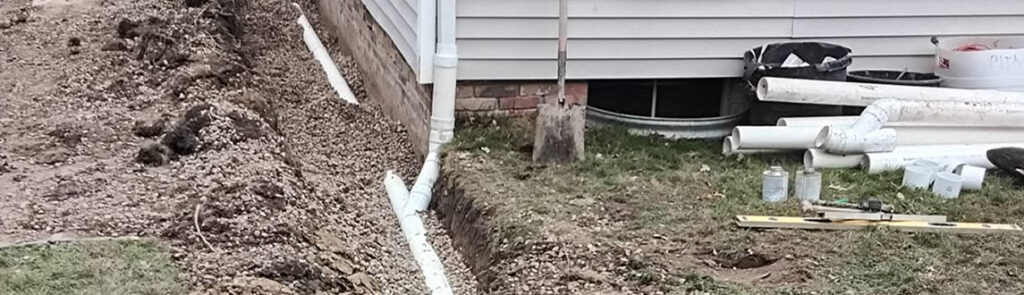
If your downspouts connect to the sanitary sewer, we can redirect them to discharge them onto your lawn or into a proper storm system. This is often the simplest and least expensive repair.
Pipe Repair and Replacement
For cracked or damaged pipes, we offer both traditional excavation and trenchless repair options:
- Traditional Repair: We excavate and remove the damaged section and replace it with new pipe. This method works well for extensive damage or when other utilities need attention.
- Trenchless Options: For minor cracks or joint problems, we can often repair pipes without major excavation using specialized techniques.
System Separation
When systems are improperly connected, we’ll separate them and ensure each is connected to the appropriate municipal line. This might involve rerouting pipes or installing new connections.
Our Complete Repair Process
At Adelio’s, we handle every aspect of your repair:
- We lay protective mats to preserve your landscaping
- Excavate carefully and pile soil on the mats
- Replace or repair pipes as needed
- Cover new pipes with proper gravel bedding
- Arrange municipal inspection of our work
- Backfill with appropriate soil (hauling away excess soil)
- Allow settling time before final restoration
- Install new topsoil and seed when ready
Many property owners wonder how much does a sewer dye test cost, including potential repairs. Simple disconnections might cost a few hundred dollars, while complex pipe replacements can run several thousand. We always provide free estimates, so you understand your options before committing to any work.
DIY vs. Professional Testing
While some homeowners attempt their own testing, professional services offer significant advantages for property transfers and municipal compliance.
DIY Testing Limitations
You can purchase dye tablets and attempt basic testing, but interpreting results requires experience. You might miss subtle signs of cross-connections or fail to test all necessary systems. Additionally, many municipalities only accept results from licensed professionals.
Professional Testing Benefits
Licensed contractors like Adelio’s bring specialized knowledge and equipment:
- We know exactly where to introduce dye and what to monitor
- Our experience helps us identify problems you might miss
- We provide documentation that municipalities accept
- If problems exist, we can often begin repairs immediately
When to Choose Professional Services
For property transfers, always use professional testing. The small additional cost provides peace of mind and ensures your results will satisfy municipal requirements and potential buyers.
A sewer line dye test can identify cross-connections and leaks that might not be obvious during visual inspections, making professional expertise valuable for protecting your investment.
Frequently Asked Questions
How long does a sewer dye test take?
Most tests take 30-60 minutes, depending on your property’s complexity. We need time to introduce dye, monitor multiple systems, and document our findings.
What happens if I ignore a failed test?
Ignoring a failed test can prevent property sales, result in municipal fines, and potentially cause environmental violations. It’s always better to address problems promptly.
Can I sell my house with a failed dye test?
Many municipalities and lenders require passing certificates before closing. You’ll typically need to complete repairs and retest before finalizing your sale.
Are dye tests required for all property transfers?
Requirements vary by municipality, but many Ohio cities require them for residential property sales. Check with your local building department for specific requirements.
How much does a sewer dye test cost?
Professional testing typically costs $150-300, depending on property size and complexity. This investment protects you from much larger problems down the road.
What materials are used in testing?
We use non-toxic, water-soluble dyes that won’t harm your plumbing or the environment. The dyes are specifically designed for this type of testing.
Get Expert Help from Adelio’s
Since 1976, Adelio’s has been helping Cleveland-area property owners protect their homes and navigate municipal requirements. We take pride in delivering honest service and custom solutions that create the happiest customers possible.
Whether you need testing, repairs, or just want to understand your options, we’re here to help. Our expert contractors will provide a solution that offers you peace of mind and ensures your property transfer goes smoothly.
Ready to move forward?
Contact us today for a free estimate. We’ll assess your situation honestly and recommend the most cost-effective approach to get you the results you need.
Don’t let a failed dye test delay your property plans. With over 50 years of experience serving Cleveland, Beachwood, Cleveland Heights, Euclid, Mayfield, Shaker Heights, and surrounding communities, we have the knowledge and equipment to solve your sewer problems quickly and effectively.
Call Adelio’s today — because your peace of mind is our priority.
Adelio’s Sewer and Waterproofing has been providing honest service to Northeast Ohio since 1976. We specialize in sewer repairs, waterproofing, and helping property owners meet municipal requirements for successful property transfers.